PETLIBRO RFID Feeder vs SureFeed Microchip Feeder: Best for Multi-Cat Food Theft?
PETLIBRO RFID Feeder vs SureFeed Microchip Feeder: Best for Multi-Cat Food Theft?
Introduction
If one cat keeps stealing from another cat’s bowl, access control matters more than capacity, app polish, or price.
That is where RFID and microchip feeders earn their keep. They solve the same problem in different ways. One gives you tag-based access with a more app-friendly smart-feeder feel. The other is the classic one-cat-only setup that has been around long enough to earn trust in multi-cat homes and prescription diet households.
This comparison looks at the practical differences that matter in real homes: recognition method, food freshness, ease of setup, cleaning, daily reliability, and which feeder fits which type of cat household.
Quick comparison table
| Category | PETLIBRO RFID feeder | SureFeed microchip feeder |
|---|---|---|
| Access method | RFID tag or collar tag style access | Microchip recognition |
| Best for | Multi-cat homes that want a smarter, more modern workflow | Homes that want proven one-cat protection |
| Food protection | Depends on lid design and sealing | Strong covered-bowl protection |
| Setup style | More app and device pairing involved | Usually simpler and more direct |
| Prescription diets | Good fit if collar-tag access is acceptable | Excellent fit for strict chip-based access |
| Cat comfort | Can work well if cats already tolerate feeder motion | Very good for cats that need a calm, contained bowl space |
| Maintenance | More electronics and pairing checks | Fewer moving parts, simpler upkeep |
| Main risk | Tag setup or app pairing frustration | A cat without a registered chip may never adapt |
The table makes the core trade-off obvious. PETLIBRO is usually the more modern smart-feeder experience. SureFeed is usually the more proven access-control solution.
How the two systems work
PETLIBRO RFID feeder
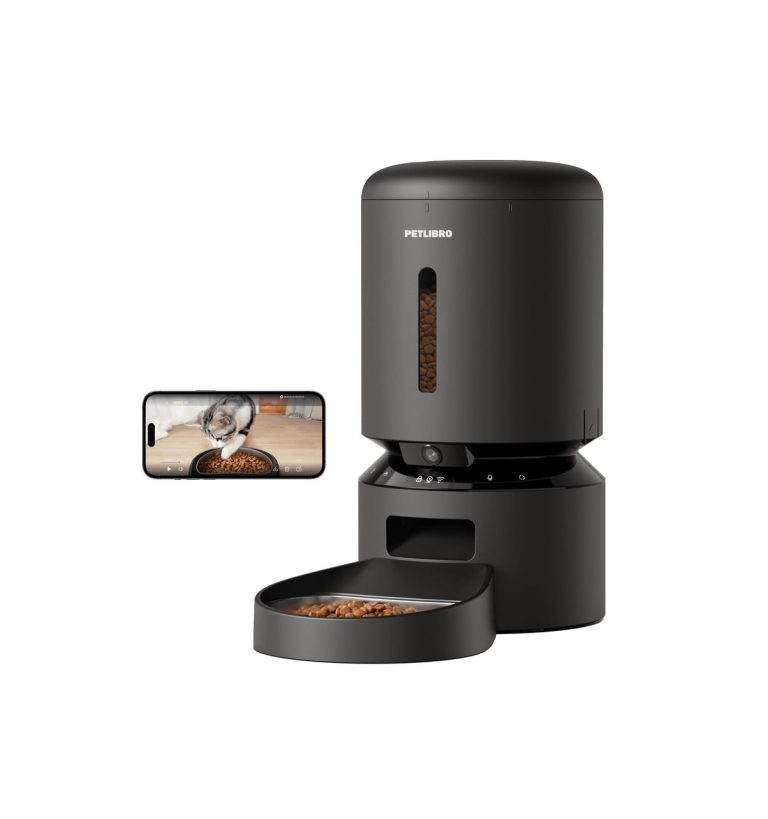
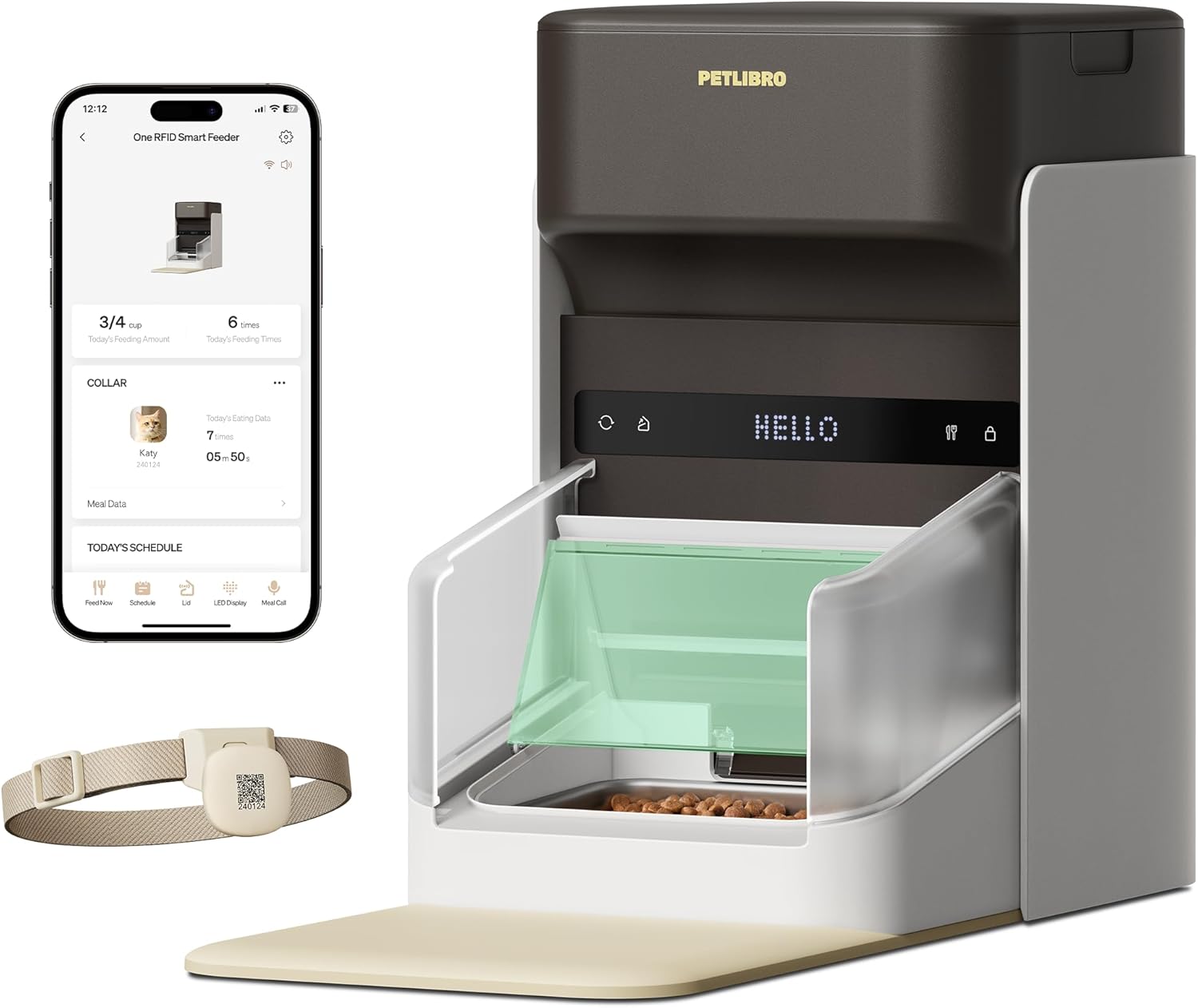
An RFID feeder uses a tag, usually on the collar, to decide whether a cat is allowed to eat. That makes it useful when you want a controlled bowl without relying on a visible camera or a full app-driven feeding routine.
The appeal is straightforward:
- access control for food stealing
- easier separation in multi-cat homes
- less chance that the wrong cat eats the wrong meal
- a more familiar smart-feeder interface for people already using PETLIBRO products
The downside is also straightforward. A collar tag is only useful if the cat tolerates a collar and keeps the tag on. In some homes that is no issue. In others, it is a daily annoyance.
SureFeed microchip feeder
SureFeed uses the cat’s microchip rather than a collar tag. That is its biggest strength. Once the cat is registered, access is linked to the cat itself, not a collar that can slip off.
That makes SureFeed especially strong for:
- prescription diets
- strict single-cat feeding
- households where collars are not practical
- shy cats that need a quiet, predictable feeding space
The mechanical experience also matters. SureFeed’s covered bowl design keeps food fresher and creates a more contained eating environment, which many cats prefer once they learn it.
Which feeder handles food theft better?
If your main problem is one cat pushing into another cat’s bowl, both feeders solve the issue. The question is how strict you need the control to be.
Choose PETLIBRO RFID if:
- you are comfortable using collar tags
- you want a more modern smart-feeder workflow
- you want device features beyond simple access control
- your cats already wear collars reliably
Choose SureFeed if:
- you need chip-based identity instead of collar-based identity
- a prescription diet cannot be shared accidentally
- you want the most trusted locked-bowl solution in the category
- your cats are already microchipped and used to enclosed feeders
For pure food theft prevention, SureFeed usually has the edge when the chip setup is smooth. It is harder for the wrong cat to game the system because the identity is built into the cat, not the accessory.
Food freshness and bowl sealing
Food theft is only half the issue. If the feeder also protects the food from air, smell, and curious paws, it gets more useful.
SureFeed is usually the stronger pick here because the covered bowl design keeps food more contained. That matters for wet food, medicated food, and portioned meals that should not sit exposed.
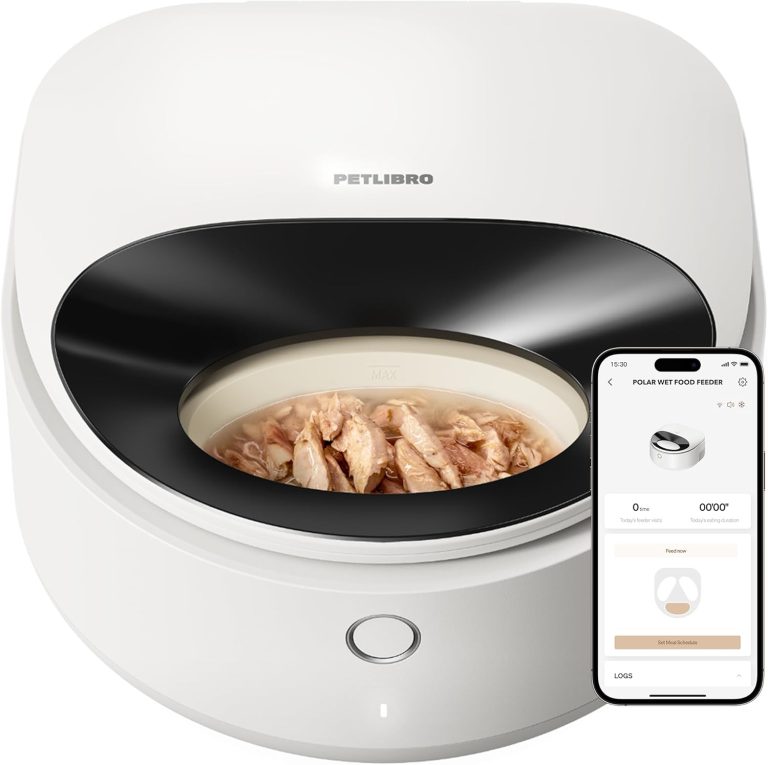
PETLIBRO RFID can still work well, but you should pay more attention to the lid design, sealing quality, and whether the bowl area stays protected when the cat steps away.
If freshness is the top priority, ask a simple question: do you want access control first, or do you want access control plus a stronger cover over the bowl? SureFeed tends to win the second question more often.
Setup and daily use
PETLIBRO RFID setup
PETLIBRO tends to feel better if you already like app-connected gear. The trade-off is that setup can take longer because you may be dealing with pairing, tag registration, and app permissions.
Good signs for PETLIBRO:
- you like editing settings from your phone
- you have a stable home network
- you are already using PETLIBRO feeders or accessories
- you want one product ecosystem across the house
SureFeed setup
SureFeed usually feels more direct. Register the cat, confirm detection, and let the feeder do its job. That simplicity is a big reason multi-cat owners keep coming back to it.
Good signs for SureFeed:
- you want fewer app dependencies
- you want predictable behavior day after day
- you do not want a collar-tag workflow
- you are feeding one cat differently from the rest
Which one is better for prescription diets?
SureFeed is usually the safer choice for prescription diets.
Why:
- the microchip ties access to the cat itself
- the covered bowl helps prevent side access
- the use case is narrow and important, which favors a proven design
PETLIBRO RFID can work when collar tags are acceptable, but prescription diets often demand the most reliable identity lock available. If a cat must not steal from another cat’s bowl, chip-based access is easier to trust.
Which one is better for nervous cats?
Nervous cats often dislike sudden motion, open bowls, and noisy motors.
SureFeed has an advantage here because the feeding area feels more private and stable. Once the cat learns the pattern, it tends to be less visually distracting than a more tech-forward feeder.
PETLIBRO RFID can still work, especially if the cat is already comfortable with collars and smart-home devices are normal in the home. But for a cat that hides when food appears, a quieter and more enclosed design usually wins.
Which one is better value?
Value depends on what problem you are paying to solve.
PETLIBRO RFID is the better value if:
- you want broader smart-feeder functionality
- you already trust the brand
- you like a more flexible device experience
- you are solving theft and want extra convenience features
SureFeed is the better value if:
- you care about reliability over bells and whistles
- the feeder is mainly a gatekeeper, not a gadget
- one cat must be protected from the others every day
- you prefer the simpler ownership experience
Cheap feeders are attractive until the wrong cat gets into the bowl. The value of an access-control feeder is not the sticker price. It is the number of mornings it prevents a feeding mistake.
Buying guide: how to choose
Pick PETLIBRO RFID if you want:
- collar-tag access
- a more app-friendly smart feeder
- multi-cat control with a modern interface
- compatibility with a broader smart-feeder setup
Pick SureFeed microchip if you want:
- the strongest one-cat protection path
- microchip identity instead of a collar tag
- better protection for prescription or medical diets
- a proven solution with less daily fiddling
FAQ
Can I use these feeders in a house with more than two cats?
Yes, but the feeder is only part of the solution. You may also need feeding zones, timing changes, and separate locations so the wrong cat does not wait at the bowl.
What if my cat is not microchipped?
That points you toward a collar-tag system like PETLIBRO RFID, or toward microchipping if your vet recommends it and the cat tolerates it.
Do these feeders work for wet food?
SureFeed is usually the safer conversation when freshness and coverage matter. Always check the exact bowl and cooling setup for the model you are buying.
Which feeder is easier to live with every day?
For many homes, SureFeed is easier because it does one job cleanly. PETLIBRO is easier if you want smart-feeder features and do not mind more setup work.
Verdict
PETLIBRO RFID and SureFeed solve the same problem, but they solve it with different priorities.
If you want a more modern smart-feeder experience and are fine with collar-tag access, PETLIBRO RFID is the flexible pick. If you want the most trusted microchip-based protection for food theft or prescription diets, SureFeed is the safer choice.
For multi-cat homes where the goal is strict protection, SureFeed usually wins. For owners who want access control plus a more connected smart-feeder feel, PETLIBRO RFID has the stronger lifestyle fit.